Business Name: BeeHive Homes of Goshen
Address: 12336 W Hwy 42, Goshen, KY 40026
Phone: (502) 694-3888
BeeHive Homes of Goshen
We are an Assisted Living Home with loving caregivers 24/7. Located in beautiful Oldham County, just 5 miles from the Gene Snyder. Our home is safe and small. Locally owned and operated. One monthly price includes 3 meals, snacks, medication reminders, assistance with dressing, showering, toileting, housekeeping, laundry, emergency call system, cable TV, individual and group activities. No level of care increases. See our Facebook Page.
12336 W Hwy 42, Goshen, KY 40026
Business Hours
Monday thru Sunday: 7:00am to 7:00pm
Facebook: https://www.facebook.com/beehivehomesofgoshen
Walk into any well-run assisted living neighborhood and you can feel the rhythm of individualized life. Breakfast may be staggered due to the fact that Mrs. Lee prefers oatmeal at 7:15 while Mr. Alvarez sleeps until 9. A care aide may linger an extra minute in a room due to the fact that the resident likes her socks warmed in the clothes dryer. These details sound little, but in practice they add up to the essence of an individualized care plan. The strategy is more than a file. It is a living agreement about requirements, preferences, and the very best method to assist somebody keep their footing in day-to-day life.
Personalization matters most where regimens are vulnerable and risks are real. Households pertain to assisted living when they see spaces in your home: missed out on medications, falls, poor nutrition, isolation. The plan pulls together viewpoints from the resident, the family, nurses, assistants, therapists, and sometimes a primary care provider. Done well, it prevents preventable crises and maintains dignity. Done poorly, it ends up being a generic checklist that no one reads.
What a customized care strategy actually includes
The greatest strategies stitch together clinical information and personal rhythms. If you just collect diagnoses and prescriptions, you miss out on triggers, coping habits, and what makes a day beneficial. The scaffolding typically includes a comprehensive assessment at move-in, followed by routine updates, with the list below domains shaping the plan:
Medical profile and risk. Start with diagnoses, current hospitalizations, allergic reactions, medication list, and baseline vitals. Add danger screens for falls, skin breakdown, wandering, and dysphagia. A fall danger may be apparent after 2 hip fractures. Less apparent is orthostatic hypotension that makes a resident unstable in the mornings. The plan flags these patterns so personnel expect, not react.
Functional abilities. Document mobility, transfers, toileting, bathing, dressing, and feeding. Go beyond a yes or no. "Requirements minimal help from sitting to standing, better with spoken cue to lean forward" is a lot more beneficial than "needs aid with transfers." Practical notes should consist of when the person carries out best, such as showering in the afternoon when arthritis discomfort eases.
Cognitive and behavioral profile. Memory, attention, judgment, and meaningful or receptive language skills shape every interaction. In memory care settings, staff count on the plan to understand recognized triggers: "Agitation increases when rushed throughout health," or, "Responds finest to a single option, such as 'blue shirt or green t-shirt'." Include understood deceptions or repetitive questions and the actions that lower distress.
Mental health and social history. Anxiety, stress and anxiety, sorrow, trauma, and substance utilize matter. So does life story. A retired teacher may respond well to step-by-step guidelines and praise. A former mechanic might relax when handed a job, even a simulated one. Social engagement is not one-size-fits-all. Some locals flourish in large, vibrant programs. Others desire a quiet corner and one discussion per day.
Nutrition and hydration. Hunger patterns, preferred foods, texture adjustments, and dangers like diabetes or swallowing problem drive daily choices. Include practical information: "Drinks best with a straw," or, "Eats more if seated near the window." If the resident keeps reducing weight, the strategy define treats, supplements, and monitoring.
Sleep and routine. When someone sleeps, naps, and wakes shapes how medications, treatments, and activities land. A plan that respects chronotype reduces resistance. If sundowning is a concern, you may shift promoting activities to the morning and add relaxing rituals at dusk.
Communication preferences. Hearing aids, glasses, chosen language, pace of speech, and cultural norms are not courtesy information, they are care details. Write them down and train with them.
Family involvement and objectives. Clearness about who the main contact is and what success looks like premises the plan. Some households desire everyday updates. Others choose weekly summaries and calls only for changes. Align on what results matter: less falls, steadier state of mind, more social time, much better sleep.
The first 72 hours: how to set the tone
Move-ins bring a mix of excitement and pressure. People are tired from packaging and goodbyes, and medical handoffs are imperfect. The very first 3 days are where plans either end up being real or drift toward generic. A nurse or care supervisor need to complete the intake evaluation within hours of arrival, review outside records, and sit with the resident and household to validate choices. It is appealing to hold off the conversation up until the dust settles. In practice, early clearness prevents preventable mistakes like missed insulin or a wrong bedtime regimen that sets off a week of agitated nights.
I like to build a simple visual hint on the care station for the very first week: a one-page picture BeeHive Homes of Goshen elderly care with the top five knows. For instance: high fall threat on standing, crushed medications in applesauce, hearing amplifier on the left side just, call with child at 7 p.m., needs red blanket to settle for sleep. Front-line assistants read pictures. Long care plans can wait until training huddles.
Balancing autonomy and safety without infantilizing
Personalized care plans live in the stress in between liberty and risk. A resident might demand an everyday walk to the corner even after a fall. Families can be divided, with one sibling pushing for self-reliance and another for tighter supervision. Deal with these disputes as worths questions, not compliance issues. File the conversation, check out ways to mitigate threat, and agree on a line.
Mitigation looks different case by case. It might indicate a rolling walker and a GPS-enabled pendant, or an arranged strolling partner during busier traffic times, or a path inside the structure during icy weeks. The plan can state, "Resident selects to stroll outside daily in spite of fall danger. Personnel will motivate walker usage, check shoes, and accompany when readily available." Clear language helps staff prevent blanket constraints that erode trust.
In memory care, autonomy appears like curated options. Too many choices overwhelm. The plan might direct staff to provide 2 shirts, not seven, and to frame questions concretely. In innovative dementia, customized care might focus on maintaining rituals: the same hymn before bed, a favorite hand lotion, a tape-recorded message from a grandchild that plays when agitation spikes.
Medications and the reality of polypharmacy
Most residents show up with an intricate medication routine, frequently ten or more day-to-day dosages. Individualized plans do not simply copy a list. They reconcile it. Nurses should call the prescriber if 2 drugs overlap in mechanism, if a PRN sedative is used daily, or if a resident stays on antibiotics beyond a common course. The plan flags medications with narrow timing windows. Parkinson's medications, for instance, lose result fast if delayed. High blood pressure tablets may require to move to the night to lower early morning dizziness.
Side results need plain language, not simply medical jargon. "Watch for cough that remains more than five days," or, "Report new ankle swelling." If a resident battles to swallow capsules, the strategy lists which tablets might be crushed and which must not. Assisted living regulations differ by state, but when medication administration is delegated to skilled personnel, clearness prevents errors. Review cycles matter: quarterly for stable homeowners, faster after any hospitalization or severe change.
Nutrition, hydration, and the subtle art of getting calories in
Personalization frequently starts at the dining table. A medical guideline can specify 2,000 calories and 70 grams of protein, but the resident who hates cottage cheese will not eat it no matter how often it appears. The strategy needs to equate goals into appealing choices. If chewing is weak, switch to tender meats, fish, eggs, and healthy smoothies. If taste is dulled, enhance flavor with herbs and sauces. For a diabetic resident, define carb targets per meal and preferred treats that do not spike sugars, for example nuts or Greek yogurt.
Hydration is frequently the quiet offender behind confusion and falls. Some residents consume more if fluids become part of a ritual, like tea at 10 and 3. Others do much better with a significant bottle that staff refill and track. If the resident has moderate dysphagia, the strategy needs to define thickened fluids or cup types to decrease aspiration danger. Look at patterns: many older adults eat more at lunch than supper. You can stack more calories mid-day and keep dinner lighter to prevent reflux and nighttime restroom trips.
Mobility and therapy that line up with real life
Therapy strategies lose power when they live only in the health club. A personalized strategy integrates workouts into everyday regimens. After hip surgical treatment, practicing sit-to-stands is not a workout block, it becomes part of getting off the dining chair. For a resident with Parkinson's, cueing huge actions and heel strike throughout corridor walks can be developed into escorts to activities. If the resident uses a walker intermittently, the strategy ought to be candid about when, where, and why. "Walker for all distances beyond the space," is clearer than, "Walker as needed."
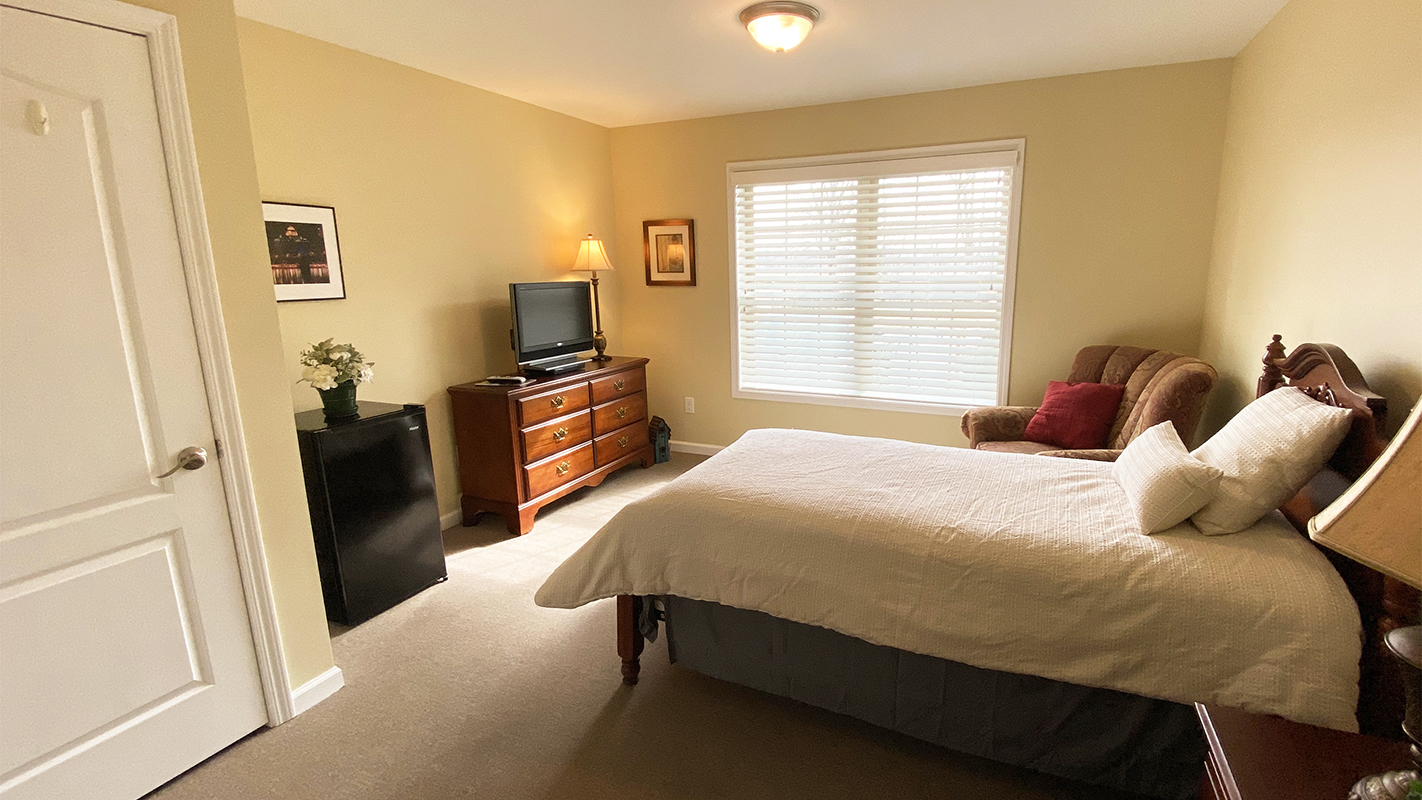
Falls deserve uniqueness. Document the pattern of previous falls: tripping on limits, slipping when socks are worn without shoes, or falling during night bathroom trips. Solutions vary from motion-sensor nightlights to raised toilet seats to tactile strips on floors that cue a stop. In some memory care units, color contrast on toilet seats assists residents with visual-perceptual problems. These information take a trip with the resident, so they need to reside in the plan.
Memory care: developing for preserved abilities
When memory loss remains in the foreground, care strategies become choreography. The goal is not to restore what is gone, but to build a day around maintained capabilities. Procedural memory often lasts longer than short-term recall. So a resident who can not keep in mind breakfast may still fold towels with precision. Rather than labeling this as busywork, fold it into identity. "Former shopkeeper takes pleasure in sorting and folding inventory" is more respectful and more effective than "laundry task."
Triggers and convenience strategies form the heart of a memory care plan. Households know that Aunt Ruth soothed throughout cars and truck trips or that Mr. Daniels becomes agitated if the TV runs news video footage. The plan records these empirical facts. Staff then test and fine-tune. If the resident becomes restless at 4 p.m., try a hand massage at 3:30, a treat with protein, a walk in natural light, and decrease ecological noise toward night. If wandering danger is high, innovation can help, but never as a replacement for human observation.
Communication methods matter. Method from the front, make eye contact, say the person's name, use one-step cues, validate feelings, and redirect rather than correct. The strategy ought to offer examples: when Mrs. J asks for her mother, staff state, "You miss her. Tell me about her," then offer tea. Precision constructs self-confidence amongst staff, particularly more recent aides.
Respite care: brief stays with long-term benefits
Respite care is a gift to families who shoulder caregiving at home. A week or 2 in assisted living for a parent can permit a caretaker to recuperate from surgery, travel, or burnout. The error many neighborhoods make is dealing with respite as a streamlined variation of long-lasting care. In truth, respite requires much faster, sharper personalization. There is no time at all for a slow acclimation.
I advise treating respite admissions like sprint projects. Before arrival, request a quick video from family demonstrating the bedtime routine, medication setup, and any unique routines. Create a condensed care strategy with the basics on one page. Arrange a mid-stay check-in by phone to confirm what is working. If the resident is dealing with dementia, supply a familiar item within arm's reach and designate a consistent caregiver during peak confusion hours. Households judge whether to trust you with future care based on how well you mirror home.
Respite stays likewise evaluate future fit. Citizens sometimes discover they like the structure and social time. Families find out where gaps exist in the home setup. A personalized respite plan becomes a trial run for longer-term assisted living or memory care. Capture lessons from the stay and return them to the family in writing.
When household characteristics are the hardest part
Personalized plans count on consistent info, yet households are not constantly aligned. One child may want aggressive rehab, another prioritizes comfort. Power of lawyer documents assist, however the tone of meetings matters more day to day. Arrange care conferences that consist of the resident when possible. Begin by asking what a good day looks like. Then walk through trade-offs. For instance, tighter blood glucose may decrease long-lasting threat however can increase hypoglycemia and falls this month. Decide what to focus on and call what you will view to know if the option is working.
Documentation protects everybody. If a family chooses to continue a medication that the company recommends deprescribing, the strategy must show that the risks and advantages were talked about. Conversely, if a resident refuses showers more than two times a week, keep in mind the hygiene options and skin checks you will do. Prevent moralizing. Plans must describe, not judge.
Staff training: the difference between a binder and behavior
A gorgeous care strategy does nothing if staff do not understand it. Turnover is a reality in assisted living. The strategy needs to endure shift changes and brand-new hires. Short, focused training huddles are more effective than yearly marathon sessions. Highlight one resident per huddle, share a two-minute story about what works, and invite the aide who figured it out to speak. Recognition constructs a culture where customization is normal.
Language is training. Change labels like "refuses care" with observations like "declines shower in the early morning, accepts bath after lunch with lavender soap." Motivate personnel to compose brief notes about what they find. Patterns then recede into plan updates. In communities with electronic health records, templates can prompt for personalization: "What soothed this resident today?"
Measuring whether the plan is working
Outcomes do not need to be complicated. Select a few metrics that match the goals. If the resident arrived after three falls in 2 months, track falls each month and injury intensity. If bad hunger drove the move, see weight patterns and meal conclusion. Mood and involvement are harder to measure but possible. Personnel can rate engagement as soon as per shift on a basic scale and include short context.
Schedule official evaluations at thirty days, 90 days, and quarterly afterwards, or quicker when there is a modification in condition. Hospitalizations, brand-new diagnoses, and household issues all trigger updates. Keep the review anchored in the resident's voice. If the resident can not take part, welcome the household to share what they see and what they hope will enhance next.
Regulatory and ethical borders that shape personalization
Assisted living sits between independent living and experienced nursing. Regulations vary by state, which matters for what you can promise in the care strategy. Some communities can handle sliding-scale insulin, catheter care, or wound care. Others can not by law or policy. Be truthful. A customized plan that dedicates to services the neighborhood is not certified or staffed to supply sets everybody up for disappointment.
Ethically, informed consent and privacy remain front and center. Strategies need to specify who has access to health information and how updates are communicated. For residents with cognitive impairment, rely on legal proxies while still looking for assent from the resident where possible. Cultural and religious factors to consider are worthy of specific acknowledgment: dietary restrictions, modesty standards, and end-of-life beliefs shape care choices more than lots of clinical variables.
Technology can help, however it is not a substitute
Electronic health records, pendant alarms, movement sensors, and medication dispensers work. They do not replace relationships. A movement sensor can not inform you that Mrs. Patel is agitated due to the fact that her daughter's visit got canceled. Innovation shines when it decreases busywork that pulls staff far from residents. For instance, an app that snaps a fast picture of lunch plates to approximate consumption can leisure time for a walk after meals. Choose tools that fit into workflows. If staff have to battle with a gadget, it ends up being decoration.
The economics behind personalization
Care is individual, but budgets are not unlimited. A lot of assisted living neighborhoods cost care in tiers or point systems. A resident who requires assist with dressing, medication management, and two-person transfers will pay more than somebody who just needs weekly house cleaning and pointers. Openness matters. The care plan frequently identifies the service level and expense. Families need to see how each requirement maps to staff time and pricing.
There is a temptation to guarantee the moon during tours, then tighten up later on. Withstand that. Customized care is credible when you can state, for instance, "We can manage moderate memory care requirements, consisting of cueing, redirection, and guidance for roaming within our protected location. If medical requirements intensify to day-to-day injections or complex injury care, we will coordinate with home health or talk about whether a greater level of care fits better." Clear limits help families strategy and prevent crisis moves.
Real-world examples that reveal the range
A resident with heart disease and moderate cognitive impairment relocated after 2 hospitalizations in one month. The strategy focused on everyday weights, a low-sodium diet plan customized to her tastes, and a fluid strategy that did not make her feel policed. Personnel arranged weight checks after her early morning bathroom routine, the time she felt least rushed. They swapped canned soups for a homemade variation with herbs, taught the kitchen area to wash canned beans, and kept a favorites list. She had a weekly call with the nurse to examine swelling and symptoms. Hospitalizations dropped to absolutely no over 6 months.
Another resident in memory care became combative throughout showers. Rather of identifying him tough, personnel tried a different rhythm. The plan altered to a warm washcloth regimen at the sink on most days, with a full shower after lunch when he was calm. They utilized his favorite music and provided him a washcloth to hold. Within a week, the behavior notes moved from "withstands care" to "accepts with cueing." The plan protected his dignity and decreased personnel injuries.
A 3rd example involves respite care. A daughter needed 2 weeks to go to a work training. Her father with early Alzheimer's feared new locations. The group collected information ahead of time: the brand name of coffee he liked, his early morning crossword routine, and the baseball group he followed. On the first day, staff greeted him with the local sports section and a fresh mug. They called him at his favored label and placed a framed image on his nightstand before he arrived. The stay stabilized quickly, and he amazed his child by signing up with a trivia group. On discharge, the strategy consisted of a list of activities he took pleasure in. They returned three months later for another respite, more confident.
How to participate as a member of the family without hovering
Families sometimes battle with how much to lean in. The sweet area is shared stewardship. Provide detail that only you understand: the decades of routines, the incidents, the allergies that do disappoint up in charts. Share a short life story, a favorite playlist, and a list of comfort items. Deal to participate in the very first care conference and the first plan review. Then offer staff area to work while requesting for routine updates.
When issues arise, raise them early and particularly. "Mom appears more confused after supper today" sets off a better reaction than "The care here is slipping." Ask what information the group will collect. That may consist of examining blood glucose, evaluating medication timing, or observing the dining environment. Personalization is not about excellence on day one. It has to do with good-faith iteration anchored in the resident's experience.
A useful one-page template you can request
Many communities currently use prolonged assessments. Still, a succinct cover sheet helps everyone remember what matters most. Think about asking for a one-page summary with:
- Top goals for the next thirty days, framed in the resident's words when possible. Five fundamentals staff must understand at a glimpse, consisting of threats and preferences. Daily rhythm highlights, such as best time for showers, meals, and activities. Medication timing that is mission-critical and any swallowing considerations. Family contact strategy, including who to call for routine updates and urgent issues.
When requires change and the plan need to pivot
Health is not fixed in assisted living. A urinary tract infection can imitate a steep cognitive decline, then lift. A stroke can alter swallowing and mobility over night. The strategy must define limits for reassessment and triggers for supplier participation. If a resident begins declining meals, set a timeframe for action, such as initiating a dietitian seek advice from within 72 hours if consumption drops below half of meals. If falls happen twice in a month, schedule a multidisciplinary review within a week.
At times, personalization suggests accepting a various level of care. When someone transitions from assisted living to a memory care neighborhood, the strategy travels and progresses. Some homeowners eventually need skilled nursing or hospice. Continuity matters. Advance the routines and choices that still fit, and rewrite the parts that no longer do. The resident's identity stays main even as the scientific photo shifts.
The quiet power of little rituals
No plan catches every minute. What sets great neighborhoods apart is how personnel infuse tiny rituals into care. Warming the tooth brush under water for someone with sensitive teeth. Folding a napkin just so because that is how their mother did it. Giving a resident a task title, such as "morning greeter," that forms purpose. These acts rarely appear in marketing pamphlets, but they make days feel lived instead of managed.
Personalization is not a high-end add-on. It is the useful method for preventing harm, supporting function, and securing self-respect in assisted living, memory care, and respite care. The work takes listening, iteration, and truthful limits. When strategies become routines that personnel and households can bring, residents do better. And when residents do much better, everybody in the community feels the difference.
BeeHive Homes of Goshen provides assisted living care
BeeHive Homes of Goshen provides memory care services
BeeHive Homes of Goshen provides respite care services
BeeHive Homes of Goshen supports assistance with bathing and grooming
BeeHive Homes of Goshen offers private bedrooms with private bathrooms
BeeHive Homes of Goshen provides medication monitoring and documentation
BeeHive Homes of Goshen serves dietitian-approved meals
BeeHive Homes of Goshen provides housekeeping services
BeeHive Homes of Goshen provides laundry services
BeeHive Homes of Goshen offers community dining and social engagement activities
BeeHive Homes of Goshen features life enrichment activities
BeeHive Homes of Goshen supports personal care assistance during meals and daily routines
BeeHive Homes of Goshen promotes frequent physical and mental exercise opportunities
BeeHive Homes of Goshen provides a home-like residential environment
BeeHive Homes of Goshen creates customized care plans as residents’ needs change
BeeHive Homes of Goshen assesses individual resident care needs
BeeHive Homes of Goshen accepts private pay and long-term care insurance
BeeHive Homes of Goshen assists qualified veterans with Aid and Attendance benefits
BeeHive Homes of Goshen encourages meaningful resident-to-staff relationships
BeeHive Homes of Goshen delivers compassionate, attentive senior care focused on dignity and comfort
BeeHive Homes of Goshen has a phone number of (502) 694-3888
BeeHive Homes of Goshen has an address of 12336 W Hwy 42, Goshen, KY 40026
BeeHive Homes of Goshen has a website https://beehivehomes.com/locations/goshen/
BeeHive Homes of Goshen has Google Maps listing https://maps.app.goo.gl/UqAUbipJaRAW2W767
BeeHive Homes of Goshen has Facebook page https://www.facebook.com/beehivehomesofgoshen
BeeHive Homes of Goshen won Top Assisted Living Homes 2025
BeeHive Homes of Goshen earned Best Customer Service Award 2024
BeeHive Homes of Goshen placed 1st for Senior Living Communities 2025
People Also Ask about BeeHive Homes of Goshen
What does assisted living cost at BeeHive Homes of Goshen, KY?
Monthly rates at BeeHive Homes of Goshen are based on the size of the private room selected and the level of care needed. Each resident receives a personalized assessment to ensure pricing accurately reflects their care needs. Families appreciate our clear, transparent approach to assisted living costs, with no hidden fees or surprise charges
Can residents live at BeeHive Homes for the rest of their lives?
In many cases, yes. BeeHive Homes of Goshen is designed to support residents as their needs change over time. As long as care needs can be safely met without requiring 24-hour skilled nursing, residents may remain in our home. Our goal is to provide continuity, comfort, and peace of mind whenever possible
How does medical care work for assisted living and respite care residents?
Residents at BeeHive Homes of Goshen may continue seeing their existing physicians and medical providers. We also work closely with trusted medical organizations in the Louisville area that can provide services directly in the home when needed. This flexibility allows residents to receive care without unnecessary disruption
What are the visiting hours at BeeHive Homes of Goshen?
Visiting hours are flexible and designed to accommodate both residents and their families. We encourage regular visits and family involvement, while also respecting residents’ daily routines and rest times. Visits are welcome—just not too early in the morning or too late in the evening
Are couples able to live together at BeeHive Homes of Goshen?
Yes. BeeHive Homes of Goshen offers select private rooms that can accommodate couples, depending on availability and care needs. Couples appreciate the opportunity to remain together while receiving the support they need. Please contact us to discuss current availability and options
Where is BeeHive Homes of Goshen located?
BeeHive Homes of Goshen is conveniently located at 12336 W Hwy 42, Goshen, KY 40026. You can easily find directions on Google Maps or call at (502) 694-3888 Monday through Sunday 7:00am to 7:00pm
How can I contact BeeHive Homes of Goshen?
You can contact BeeHive Homes of Goshen by phone at: (502) 694-3888, visit their website at https://beehivehomes.com/locations/goshen/, or connect on social media via Facebook
Kentucky Derby Museum offers engaging exhibits that can be enjoyed by residents in assisted living or memory care during senior care and respite care outings.